
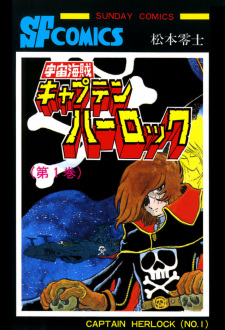
 Alternative TitlesSynonyms: Space Pirate Captain Harlock, Captain Harlock: The Classic Collection Japanese: 宇宙海賊キャプテンハーロック More titlesInformationType: Manga
Volumes: 5
Chapters: 25
Status: Finished
Published: 1977 to 1979
Theme:
Space
Demographic:
Seinen
Serialization:
Play Comic Authors:
Matsumoto, Leiji (Story & Art) Statistics Ranked: #36902 2 based on the top manga page. Please note that 'R18+' titles are excluded. Popularity: #4948
Members: 4,953
Favorites: 77 Resources | New Interest Stack Interest Stacks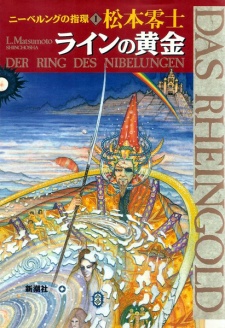 From 1979, with the released of the first Captain Harlock anime (for an odd reason named "Albator" in French), the universe of Leiji Matsumoto fascinate the french peuple. So now, some of his mangas are translated in french. Here a list of these mangas by released order in France. 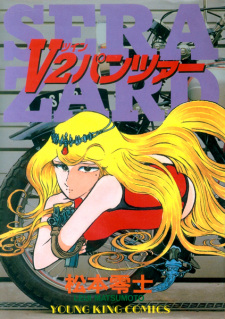 The 10 best Leiji Matsumoto's mangas (not ranked, from newest to oldest).   A list of 1970s manga that has been officially released physically in English. Any manga that goes out of print will be removed   All manga read within the 2021-2022 for UoN Manga Book Club, in chronological read order.   A list of manly oriented manga. Caters to those who like muscular characters, idealistic men, detailed art, manly tears, etc.   Yo-Ho! Welcome on deck!   A variety of manga I've enjoyed and would recommend, that are each five volumes long. Give them a try!   Complete list of the book 501 mangas to read in Spanish   from https://www.mangaupdates.com/series?category=GAR&page=1&perpage=50   Many manga/novels adapted into anime only get one adaptation. Some have received more than one. Reasons for this may include: creating an adaptation more faithful to the source material, a different set of creators wanting to take their own spin on the material, or reviving a dormant franchise. Having multiple adaptations available also means more debate amongst fans as to which one's better.   A fairly comprehensive reading guide that provides a perspective on the gradual change in the genre: from anti-war messages and the origin of mecha, through the melancholy of space opera and the contributions of the shojo boom in the 70s, the cyberpunk of the 80s, the nihilism of the 90s and the contemporary revision and deconstruction. |